Emergency water extraction
Removal of standing water from floors, crawlspaces, and affected rooms using professional pumps and extractors so drying can start immediately.
Serving Jackson, Mississippi & surrounding areas
Water damage service • Jackson, MS
When water gets into floors, drywall, or framing, time matters. Get a rapid response with professional drying, careful documentation, and a clear plan to bring your property back to normal.
✓Professional extraction
✓Moisture documentation
✓Clear repair scope
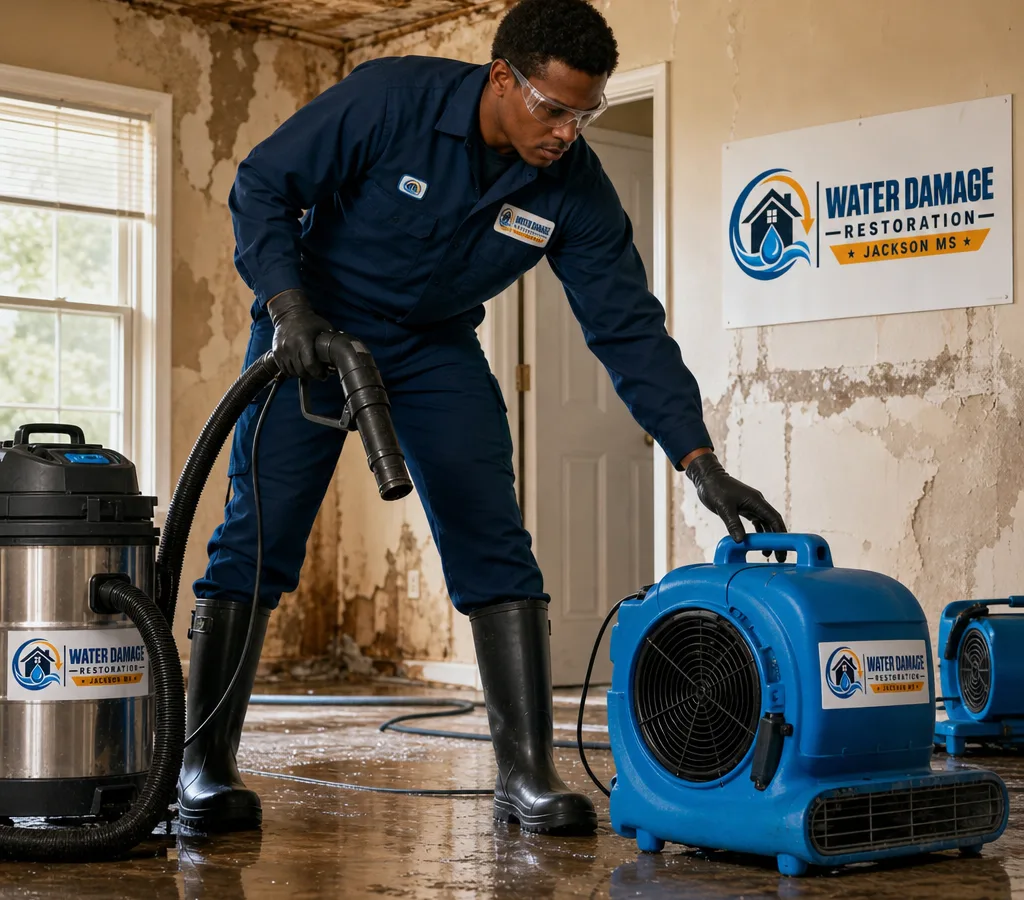
Act before moisture spreads
If you are dealing with water damage Jackson MS homeowners and property managers see after storms, plumbing failures, or appliance leaks, the first goal is simple: stop the source and start drying before moisture turns into swelling, warping, and microbial growth.
At Water Damage Restoration Jackson MS, we focus on the work that actually changes the outcome: water extraction, controlled drying, dehumidification, and targeted removal of damaged materials when they cannot be saved. Just as important, we document conditions so you can make informed decisions and keep insurance conversations straightforward.
Water problems in Jackson often arrive in a hurry: a supply line breaks, an upstairs bathroom overflows, a water heater lets go, or a heavy rain finds a weak point. The sooner drying begins, the better your chances of saving flooring, baseboards, cabinets, and contents.
Complete water-loss response
Removal of standing water from floors, crawlspaces, and affected rooms using professional pumps and extractors so drying can start immediately.
Air movers and commercial dehumidifiers set up and adjusted to dry drywall, framing, subfloors, and insulation without guesswork.
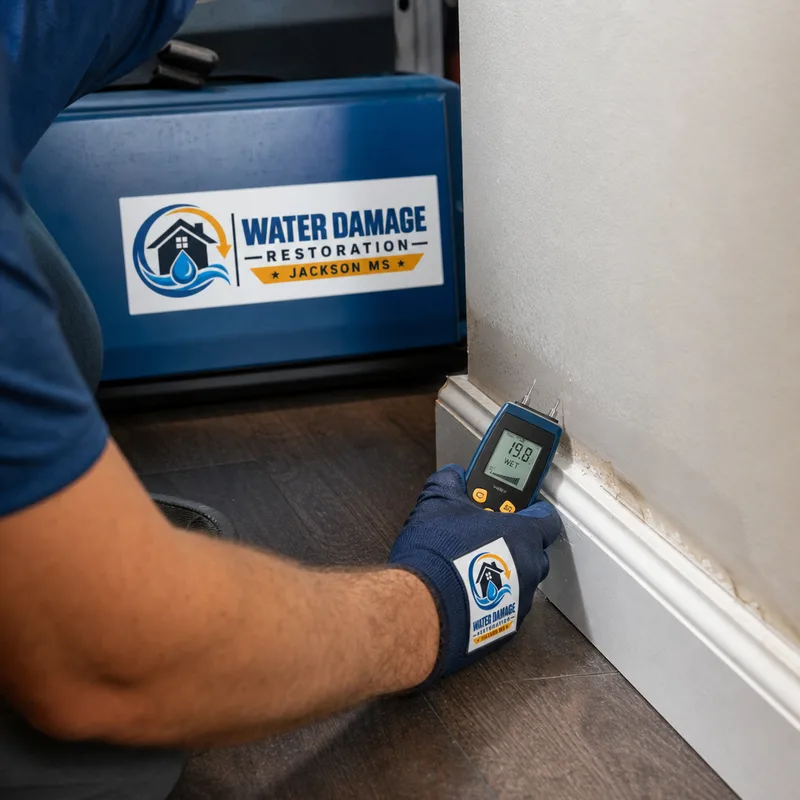
Moisture readings and photos map what is wet, what is drying, and what needs removal, with notes that help during insurance review.
If materials are unsalvageable, we remove only what is necessary and outline the repair scope so you know what comes next.
Practical direction on what to move, what to pack out, and how to protect furniture, rugs, and personal items while drying equipment runs.
After-hours and weekend response for offices, retail, and multi-unit properties to reduce downtime and protect finishes and inventory.
Protect people and materials
The first steps after a water loss are about safety and preventing the wet area from spreading.
Do first:
Avoid:
If you are unsure whether moisture reached wall cavities or under floors, an inspection with moisture meters and targeted checks gives you a clear answer before you commit to major tear-out.
From wet to repair-ready
A measured sequence that controls the source, removes water, verifies drying, and defines the repairs that follow.
We identify the source, water category, and electrical or slip hazards. Then we map affected areas, including adjoining rooms where moisture can migrate under flooring.
Standing water is extracted and affected surfaces are stabilized. If the loss is active, we help coordinate shutoffs or temporary measures so drying is not fighting new water.
We place air movers and dehumidifiers based on the room layout and materials, including drywall, plaster, hardwood, tile over slab, and subfloor systems. Equipment placement is adjusted as readings change.
We re-check moisture levels and document progress. This confirms when drying goals are met and supports insurance documentation when a claim is involved.
If drywall, insulation, cabinets, or flooring cannot be restored, we outline a clear, itemized scope for removal and repairs so you can plan budget and timeline.
Planning the scope
Water damage restoration in Jackson typically ranges from about $1,200 to $6,500+, with small, contained leaks on the lower end and larger losses with saturated drywall, flooring, and multiple rooms on the higher end. A basic extraction and drying setup may land around $1,200 to $2,800, while significant tear-out, specialty drying, and rebuild work can push costs higher.
Price depends on how long materials stayed wet, how far water traveled, the type of flooring and wall assemblies, access to affected areas, and whether contents need handling. The exact cost is confirmed after an on-site moisture inspection and a written scope.
If you are filing a claim, the most helpful thing you can have is a clean timeline and clear documentation. We focus on the items adjusters commonly need to see: where the water started, what areas were affected, moisture readings over time, photos before and during work, and an itemized scope of drying and any necessary removal.
A few practical tips:
If you simply need to understand how a professional restoration team approaches a loss from start to finish, Water Damage Restoration Jackson MS outlines what to expect when you reach out and how urgent jobs are scheduled.
Homeowner proof
“A pipe under our kitchen sink leaked while we were out. They got the water out fast, set up drying equipment the same day, and explained what had to be removed versus what could be saved. The documentation made the insurance back-and-forth much easier.”
“We manage a small office and had water run under flooring into two rooms. Their moisture checks were thorough, and they kept us updated as drying progressed so we could reopen parts of the space safely.”
Straight answers before work begins
Response depends on current demand and the severity of the loss, but urgent water damage in Jackson MS is prioritized because the first 24 to 48 hours are when damage spreads fastest. When you contact us, we will confirm availability, ask a few quick questions about the source and affected areas, and give you immediate steps to protect the property while help is en route.
Not always. If drywall is only lightly affected and can dry to normal moisture levels with controlled airflow and dehumidification, it may be salvageable. If it is swollen, crumbling, contaminated, or wet inside the wall cavity with trapped insulation, selective removal is often the correct choice to dry framing properly and prevent ongoing odor or microbial issues.
Most structural drying takes about 3 to 5 days, but it varies with how much water entered the assembly, the materials involved, and ventilation conditions. Hardwood, plaster, and insulated wall cavities can take longer than a simple surface spill on tile over slab, and monitoring moisture readings is the only reliable way to confirm when drying is complete.
Yes. We provide photos, moisture documentation, and an itemized scope that you can share with your adjuster, and we can answer technical questions about drying methods and what materials were affected. Coverage and deductibles are set by your policy, but solid documentation helps the review move faster and reduces disputes about what was necessary.
Often, yes, if the affected area is contained and there are no electrical hazards, sewage contamination, or significant structural concerns. Air movers and dehumidifiers are loud and create airflow, so we help you plan safe pathways, protect children and pets, and isolate rooms when needed.
We handle common residential and commercial water losses such as burst or leaking supply lines, appliance leaks including water heaters, washing machines, and dishwashers, toilet overflows, roof leaks, and storm-related intrusion. The cleanup plan changes based on where water traveled and whether the water is clean, gray, or contaminated.
Start with an inspection
Tell us what happened and what areas are affected. We will schedule an inspection, explain what can be dried versus what must be removed, and provide documentation you can use for repairs and insurance.