Find hidden moisture, not just visible spots
Mold often tracks to damp insulation, drywall paper, and framing where air does not circulate. Moisture mapping helps confirm what is wet and what is not before any decisions are made.
Serving Jackson, Mississippi & surrounding areas
Mold inspection service • Jackson, MS
If you smell something musty, see staining, or recently had a leak, a proper inspection tells you what is actually growing, where it is, and what needs to happen next to protect the building and the people in it.
✓Moisture mapping
✓Photo documentation
✓Written next steps
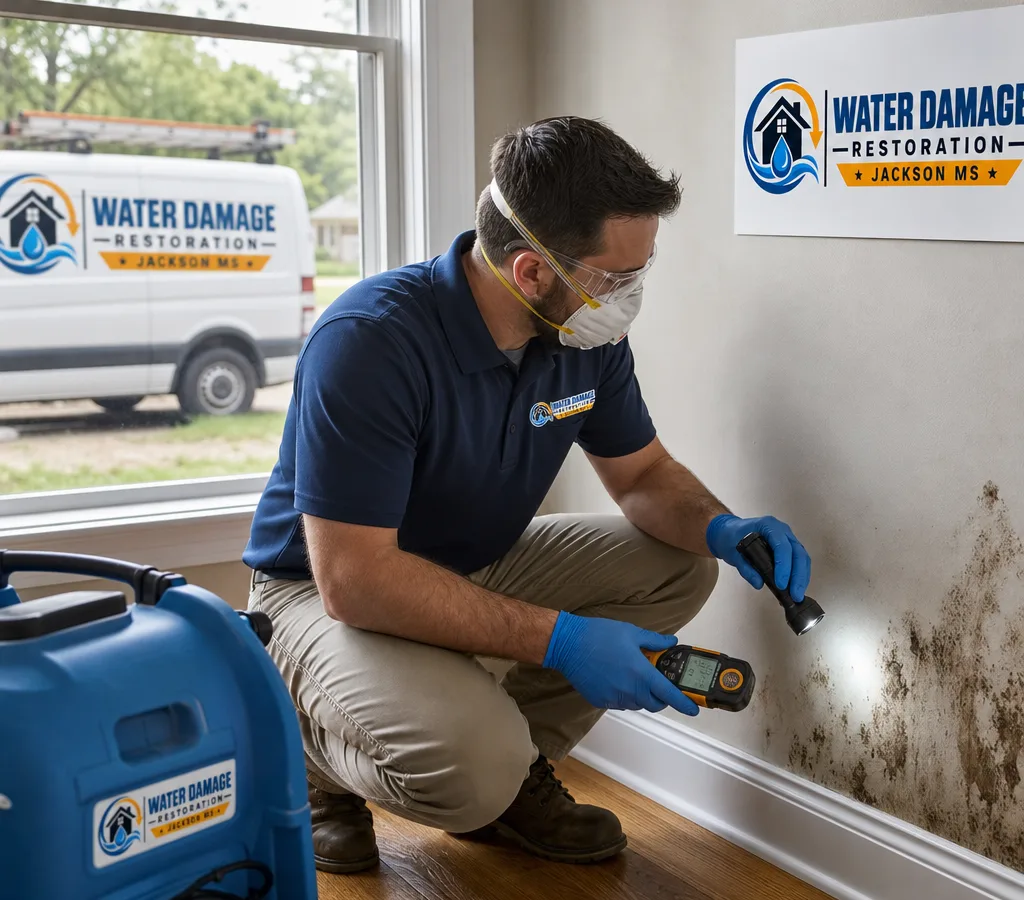
Inspect before moisture spreads
A mold problem usually follows moisture. In Jackson, MS, humid air can keep damp materials from drying quickly after plumbing leaks, roof issues, HVAC drain clogs, or a minor overflow. That is why many property owners start looking for a mold inspection after a water event, even if the visible damage looks small.
Schedule an inspection when you notice:
An inspection helps you avoid treating a moisture problem like a surface-cleaning problem or tearing out materials without confirming where mold is actually present. The goal is a clear, defensible plan: where moisture is coming from, what materials are impacted, and what scope of work makes sense.
Investigate and document
A good inspection is part investigation and part documentation. Our technicians start with questions about the timeline—when the leak or odor started, what has been cleaned or painted, and what rooms were wet—then work room by room.
Typical inspection steps include:
If sampling is warranted, we can collect air or surface samples using chain-of-custody practices and submit them to an independent lab for analysis. Sampling is not automatically required; the deciding factor is whether the result will change the plan or provide needed documentation.
What an inspection does not do by itself: it does not fix the moisture source or remove contamination. It provides the information needed to complete those steps correctly and in the right order.
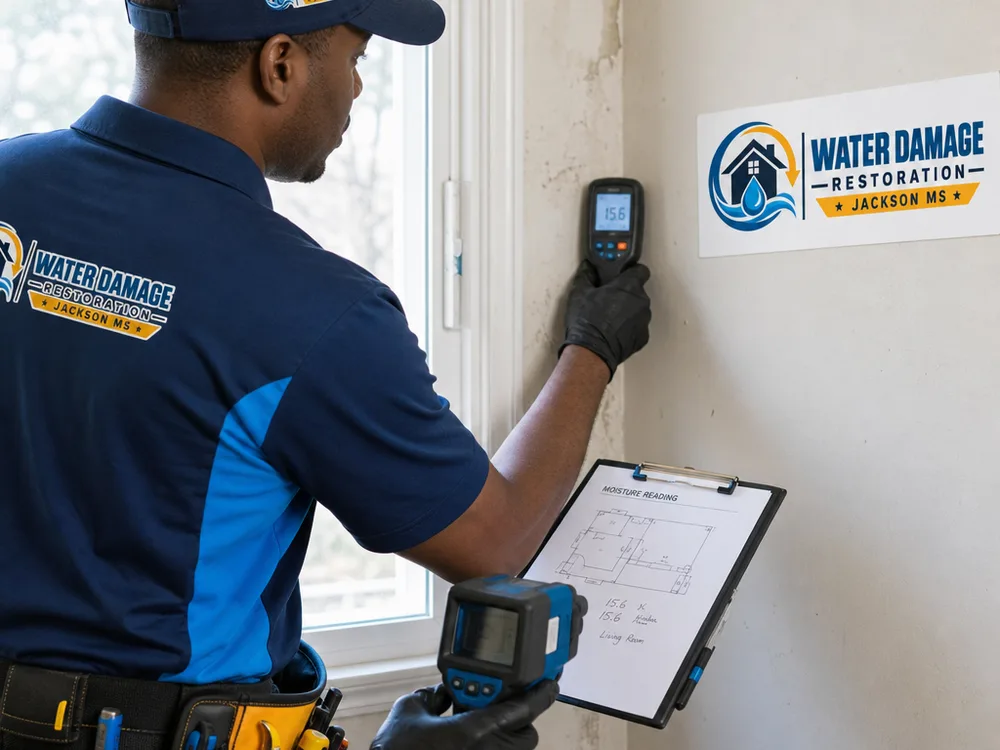
Facts before removal
Mold often tracks to damp insulation, drywall paper, and framing where air does not circulate. Moisture mapping helps confirm what is wet and what is not before any decisions are made.
A written inspection report reduces guesswork by outlining affected areas, suspected causes, and logical next actions.
Knowing the extent of impact helps determine whether basic isolation, negative-air containment, or more limited work is appropriate.
Photos, readings, and notes matter when coordinating multiple parties or working to prevent repeat issues after repairs.
You receive a realistic plan based on building science: stop the moisture, dry affected materials, and address contaminated porous materials when needed.
From concern to clear findings
A focused sequence that identifies moisture pathways, documents conditions, and turns the findings into practical next steps.
We ask focused questions about the timeline, prior leaks, and where you have seen staining or odors so the visit is efficient and targeted.
We check likely pathways around plumbing walls, under sinks, near tubs and showers, at exterior wall corners, and around HVAC components where condensation can form.
If lab results will help with decisions or documentation, we collect samples carefully and record each location. If sampling will not change the scope, we say so.
You receive a straightforward explanation of what we found, why it matters, and what should happen next. If the moisture source remains active, stopping it becomes the priority.
We provide a written summary with photos and readings and can coordinate the transition into remediation planning when that is the appropriate next step.
Planning the inspection
Mold inspection in Jackson typically ranges from about $250 to $650, with larger homes or multi-area investigations sometimes running $700 to $1,200+ when extensive documentation or multiple samples are needed. A basic inspection with moisture checks is usually on the lower end, while inspections that include lab sampling and more detailed reporting cost more.
Price depends on the size of the property, the number of areas of concern, accessibility to attics or crawlspaces, whether sampling is requested, and how much photo documentation is required. Your exact cost is confirmed after the on-site evaluation and scope are clear.
Built for Jackson conditions
Jackson’s warm, humid conditions can turn a small moisture issue into a bigger building-material problem if drying is delayed. The sooner you confirm whether materials are still wet, the easier it is to prevent spread into wall cavities and adjacent rooms.
Common local layouts also shape the inspection. In slab-on-grade homes, moisture may appear at flooring transitions. Houses with crawlspaces can be affected by ventilation and ground moisture. In older neighborhoods such as Belhaven, inspections may focus on plaster and lath walls, older window assemblies, and layered renovations where past leaks are hidden behind newer finishes.
In parts of Fondren and Eastover, inspection often centers on HVAC supply and return pathways and bathroom wet walls because comfort cooling can create condensation patterns when humidity control is off. Downtown Jackson commercial spaces frequently need room-by-room photo logs and documentation that is easy to share with property managers and tenants.
If you are dealing with a moisture event, start with the inspection and decide what comes next using the findings. Drying, dehumidification, or related restoration work can then be planned around facts rather than assumptions.
Property owner proof
“We had a musty smell that kept coming back after a small leak. The inspection found moisture in the wall cavity we never would have checked, and the report made it easy to plan the repairs without tearing out half the room.”
“They explained what was likely condensation versus what looked like active moisture, took readings, and gave us photos and next steps. It was straightforward and professional.”
Straight answers before inspection
Most mold inspections take 60 to 120 minutes on site, depending on property size and how many areas of concern you have. If you want sampling, we also document sample locations and add time for collection and labeling.
No, you only need mold testing when the result will change the plan or provide needed documentation. If growth and moisture conditions are clear and the next step is straightforward remediation, moisture mapping and documentation may be the most useful part of the visit.
We can often identify likely hidden moisture using non-invasive meters and infrared screening, but confirmation sometimes requires a small targeted access opening. We will explain what we can conclude non-destructively and when limited access is the only reliable way to verify conditions.
Leave the affected area as-is as much as possible. Avoid painting over stains, running ozone machines, or applying strong bleach products right before the visit because that can hide indicators. Have photos from the leak or notes about when odors started ready if available.
Yes, a good report identifies suspected affected materials and locations and recommends next steps based on moisture readings and visible conditions. Final removal scope can still depend on what is found during controlled access, especially when moisture migrated into cavities or under flooring.
Yes, we perform inspections for residential and commercial properties and can structure documentation so it is easy to share with decision-makers. For multi-unit situations, we can help clarify whether the issue is isolated to one area or likely connected to shared plumbing or HVAC pathways.
Start with clear findings
Tell us what you are seeing and where it started. We will schedule a mold inspection, document the findings, and lay out realistic next steps so you can move forward with confidence.