Containment built for occupied properties
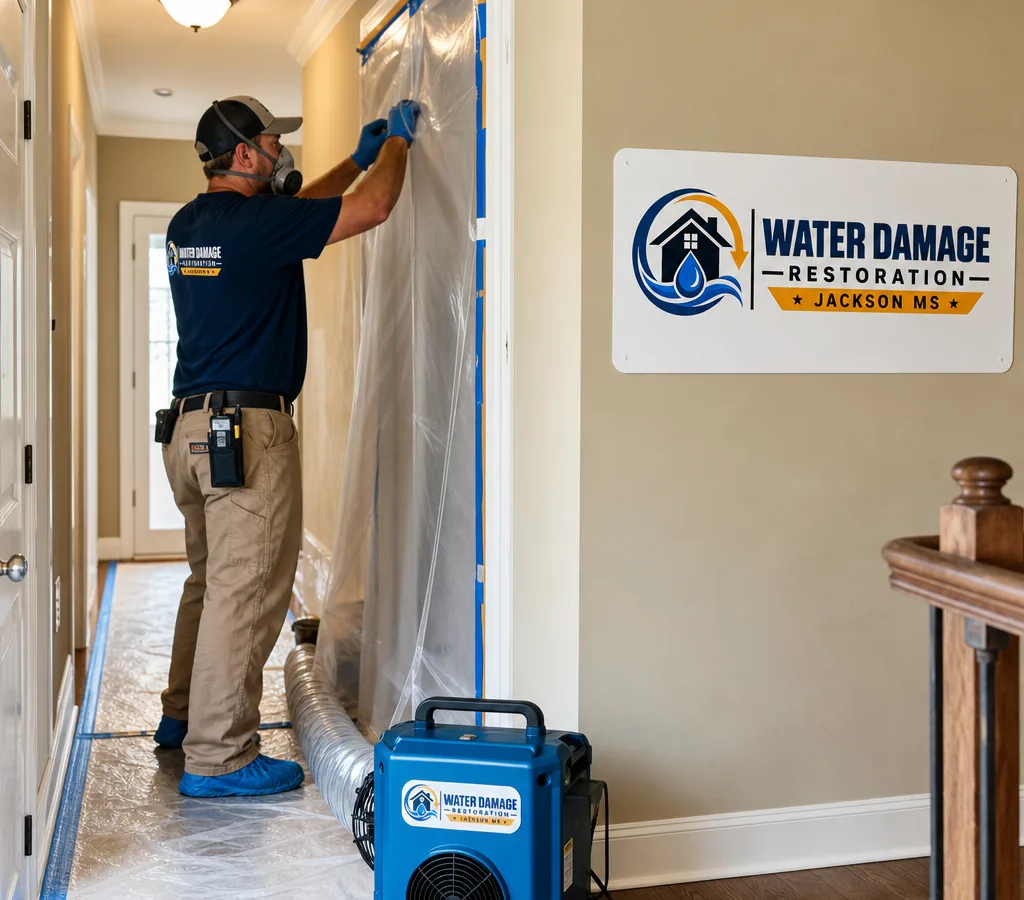
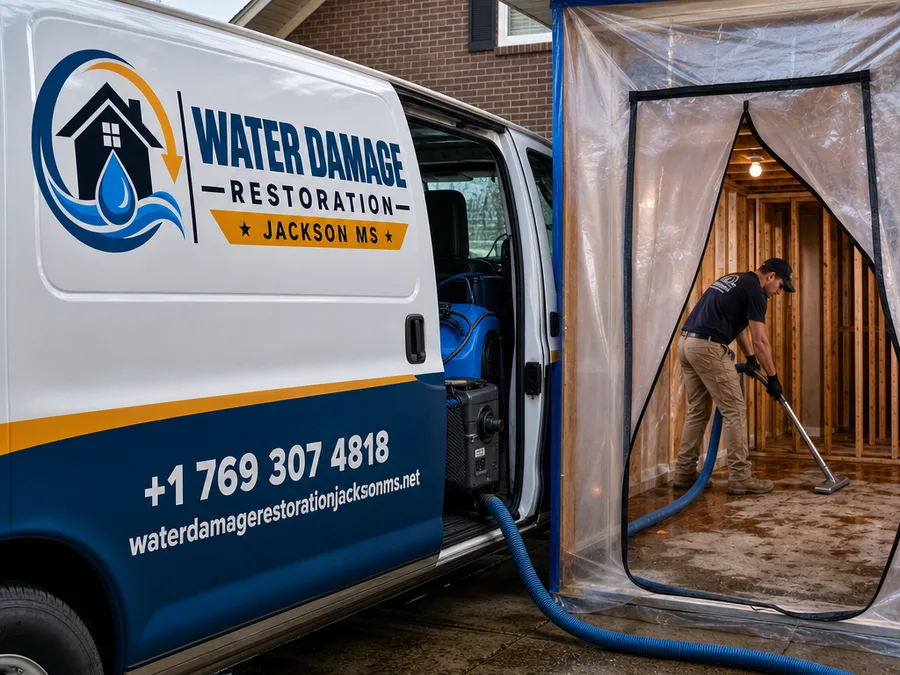
We isolate the work area with barriers and controlled entry so spores and dust stay in the work zone, which matters when families, tenants, or staff are still on site.
Serving Jackson, Mississippi & surrounding areas
Mold remediation service • Jackson, MS
If you smell a musty odor, see staining, or had a recent leak, the next step is a careful inspection and a containment plan that keeps spores from spreading while we remove the contaminated materials and dry the structure.
✓Controlled containment
✓HEPA air filtration
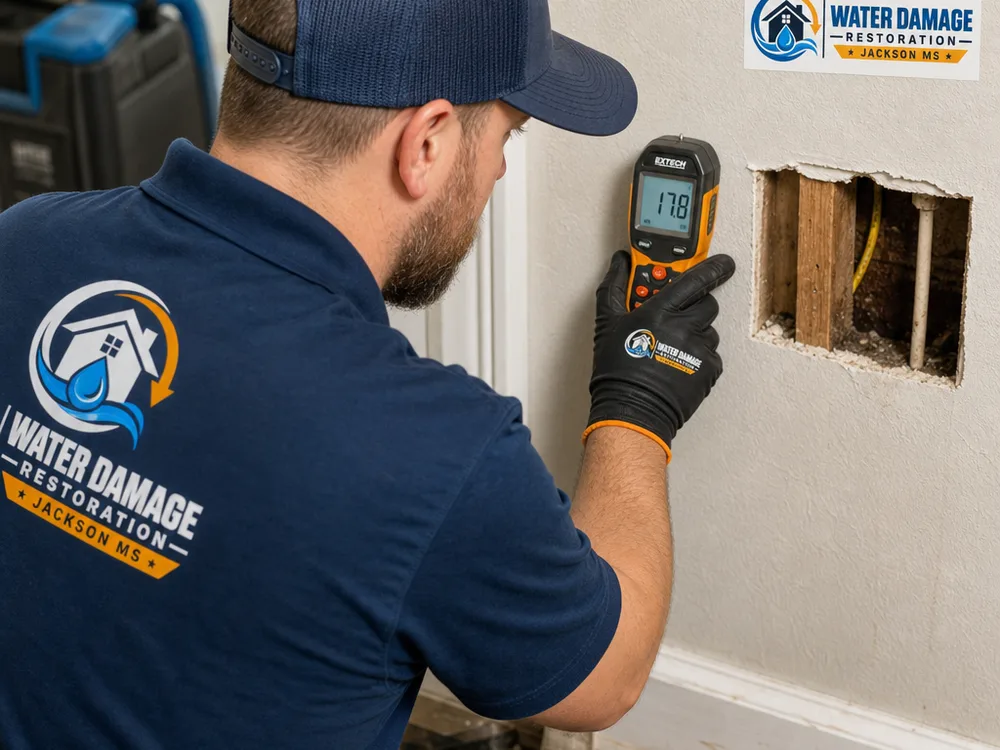
✓Moisture-source inspection
Control moisture and contamination
Searching for mold remediation Jackson MS usually means you want two things: the mold removed safely and the moisture problem solved so it does not come right back. Mold is rarely a standalone issue. It is a symptom of a roof leak, plumbing failure, HVAC condensation, wet building materials after a storm, or chronic high indoor humidity.
Our team at Water Damage Restoration Jackson MS handles mold remediation for homes and commercial spaces in Jackson. We focus on practical, jobsite-ready controls: isolating the work area, running negative air, removing unsalvageable porous materials, cleaning remaining surfaces with appropriate methods, and verifying the structure is dry before putting anything back.
Because mold remediation is as much about protecting the rest of the property as it is about cleaning one room, we take extra care with traffic paths, returns and supplies on HVAC systems, and any openings that could move spores into clean areas.
A controlled remediation scope
Mold remediation is the controlled removal and cleaning process used to address mold growth and the affected materials around it. A proper mold remediation Jackson scope typically includes:
What it does not include by default is rebuilding finishes, replacing cabinets, or painting. Many projects need that next step, but the remediation phase is about making the space clean and dry. If mold is tied to a leak or flooding event, drying should begin without delay so the mold risk does not grow.
Protect clean areas
We isolate the work area with barriers and controlled entry so spores and dust stay in the work zone, which matters when families, tenants, or staff are still on site.
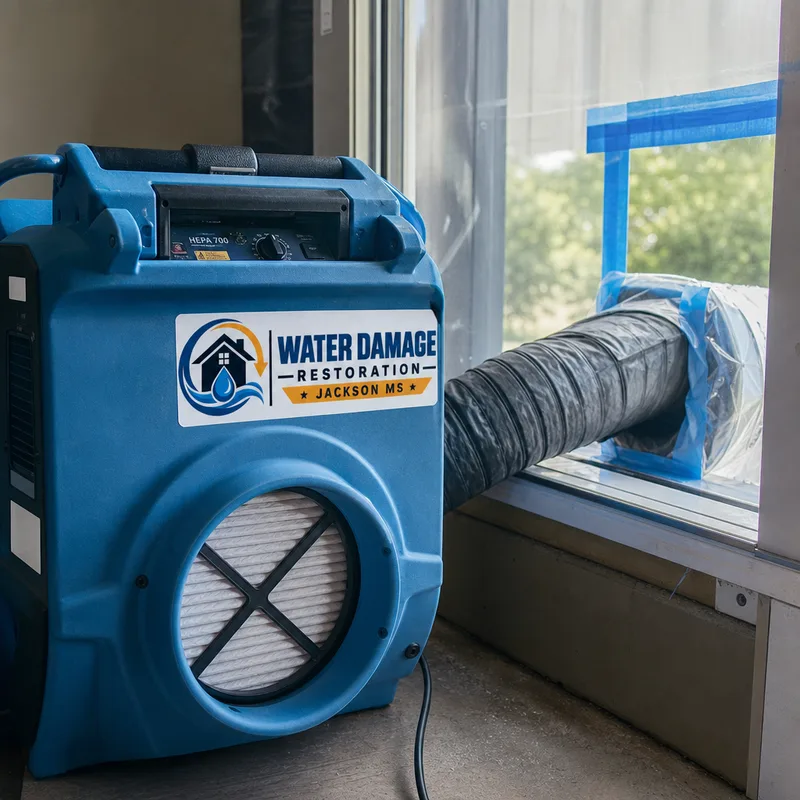
Negative air and HEPA filtration reduce airborne particulates while we remove materials and clean. We also pay attention to HVAC returns that can move contamination.
Porous materials that are moldy or water-damaged often need to come out. We explain what is being removed and why before demolition starts.
Remediation is incomplete if the structure is still wet. We use dehumidification and drying steps so new finishes are not installed over damp materials.
When needed, we document what we found, what areas were contained, what materials were removed, and the steps used, so owners and managers have a record.
Contain, clean, and dry
A controlled sequence that identifies the moisture source, protects clean areas, removes affected materials, and verifies the structure is ready for repair.
We start by identifying where growth is present and where moisture is coming from. That may be a bathroom leak, an HVAC condensation issue, a roof intrusion, or a damp wall after heavy rain.
We establish barriers, protect pathways, and set up negative air as needed. This is the part that prevents a small problem from becoming a whole-house cleaning project.
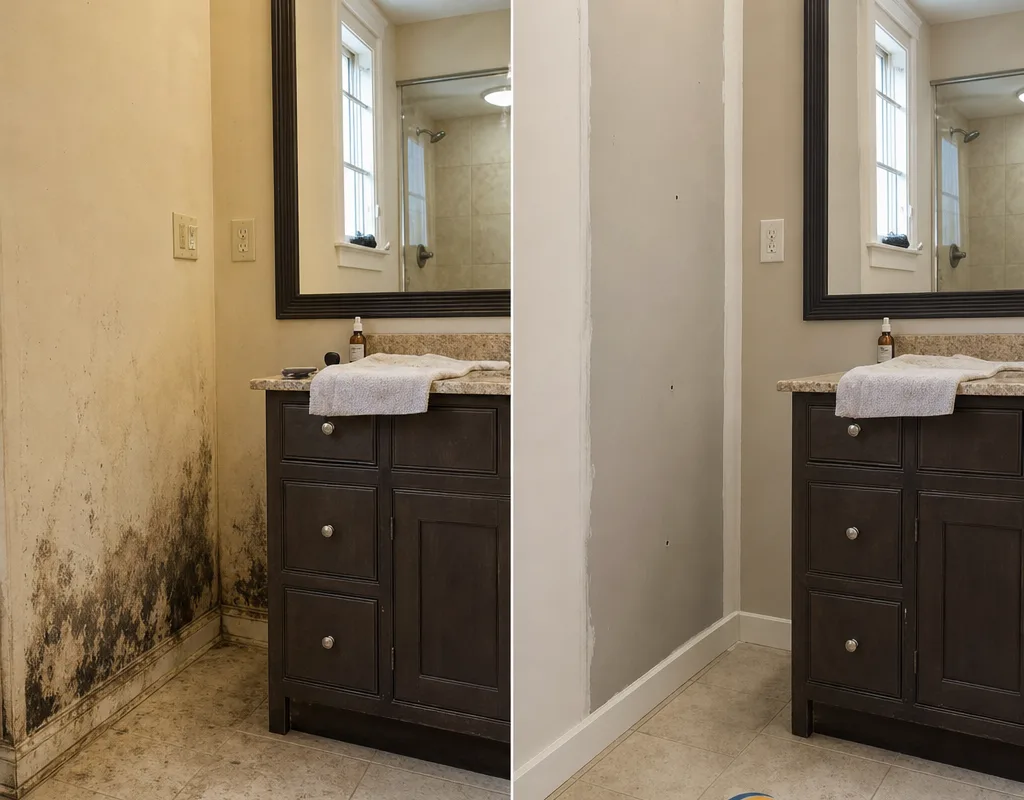
We remove unsalvageable porous materials and perform HEPA vacuuming and detailed surface cleaning in the contained area. We do not rely on masking odors or surface-only wipe downs.
We dry framing, subfloors, and sheathing to appropriate moisture levels before any rebuild. If drying is skipped or rushed, mold can return behind new drywall.
We confirm the area is clean and dry, remove containment carefully, and review what repairs are needed next—drywall, insulation, flooring, or paint—so the space can be put back into service.
Jackson moisture conditions
Jackson's humidity and frequent wet-weather cycles make moisture control a real part of building maintenance. Mold problems often cluster in a few predictable places:
In neighborhoods with older housing stock and multiple remodel cycles, hidden mold can sit behind newer finishes where a previous leak was covered rather than dried. In Fondren, Belhaven, and parts of Eastover, older wall assemblies and renovated bathrooms may conceal undocumented moisture events. In Downtown Jackson and medical or office corridors, problems are often tied to roof leaks, HVAC condensation, and after-hours humidity control rather than one obvious plumbing break.
If you suspect mold, avoid tearing into the area without a plan. Opening a wall can release spores into adjacent rooms and HVAC pathways. A controlled inspection is usually faster, cleaner, and cheaper than do-it-yourself demolition that spreads contamination.
Planning the scope
Mold remediation in Jackson typically ranges from about $900 to $6,000+, with small, contained areas often closer to $900 to $2,500 and larger multi-room or HVAC-involved projects commonly landing around $3,000 to $6,000+. Pricing depends on how far the moisture traveled, how much porous material must be removed, containment complexity, access such as attics, crawlspaces, or tight closets, and how long drying and dehumidification must run. The exact cost is confirmed after an on-site inspection and a written scope.
Controlled work in the field
Straight answers before work begins
Start times depend on current workload and the size of the affected area, but mold projects are typically scheduled quickly because delays allow moisture and contamination to spread. If the space is actively wet from a recent leak, storm intrusion, or standing water, getting drying started first is often the most time-sensitive step.
Often you can stay in the home if the affected area can be fully contained and you can avoid the work zone. For larger projects involving hallways, bedrooms, or HVAC systems, temporary relocation may be recommended so containment can be maintained and air quality is easier to control.
Yes, but it typically requires selective demolition to reach the affected materials, then cleaning and drying before rebuilding. Mold inside cavities is why moisture mapping matters; the visible spot is not always the real boundary of the problem.
Bleach may lighten staining on some hard surfaces, but it is not a complete remediation plan and it does not address wet porous materials behind drywall or under flooring. A proper approach focuses on containment, removal of unsalvageable materials, HEPA cleaning, and drying so mold does not return.
Sampling is not required for every job, because visible growth and moisture conditions can be enough to justify remediation. If testing is needed for a property file, tenant concerns, or a specific clearance requirement, we can discuss options and coordinate the right approach for the situation.
Keep the area closed off as much as possible, avoid running fans that blow air from the affected room into the rest of the property, and do not pull out wet drywall or carpet without containment. If the moisture source is obvious and safe to stop, such as shutting off a leaking supply line, doing that early can limit the scope.
Start with a controlled inspection
Tell us what you are seeing and where it is happening. We will schedule an inspection in Jackson, outline containment and removal steps, and provide a written scope that prioritizes getting the structure clean and dry.